Do Breakfast Nooks Increase Home Value? Resale Tips
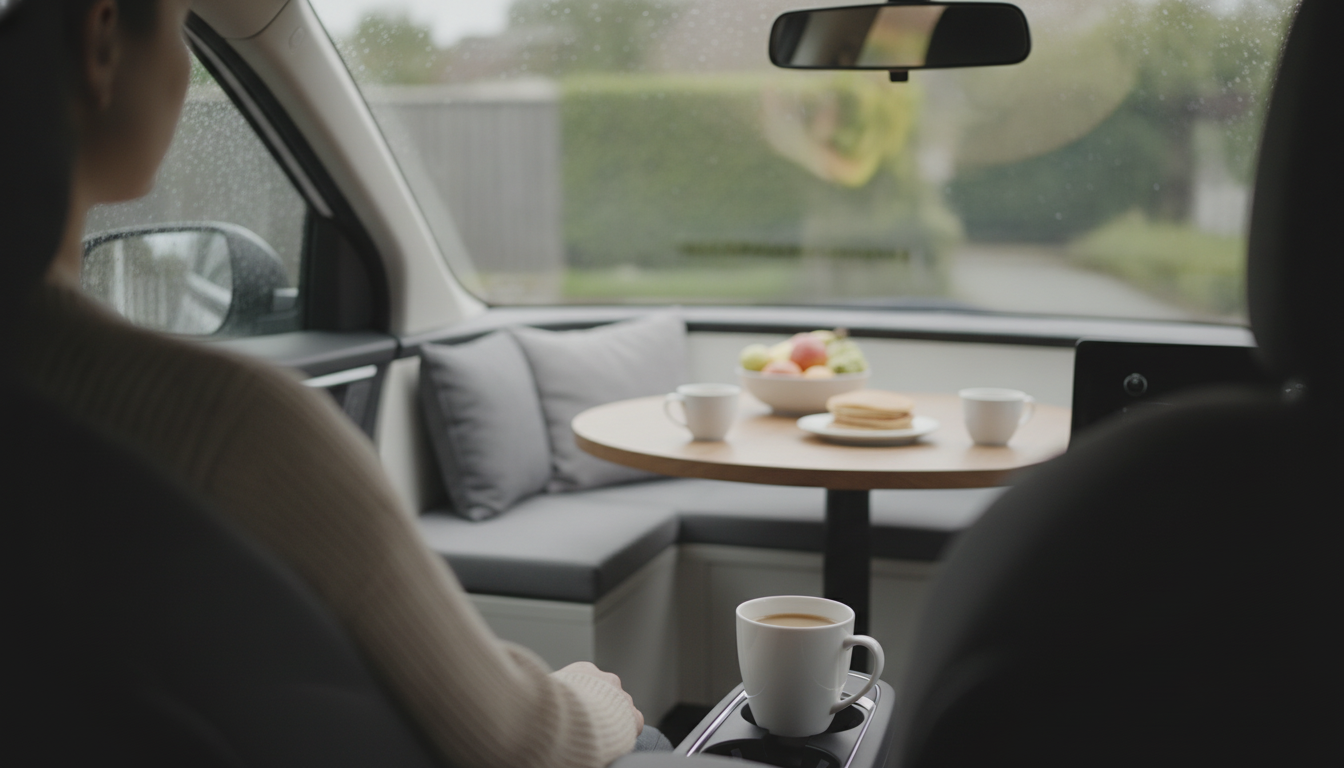
Does a breakfast nook add value to a home?
A breakfast nook can add value to a home when it improves everyday function and makes the kitchen feel more intentional. Buyers tend to respond to spaces that support real routines—morning coffee, homework, quick meals—without requiring a formal dining room setup. When a nook is designed as a built-in feature (like bench seating with a table) and feels integrated into the floor plan, it often reads as a desirable upgrade rather than “extra furniture.”
When a breakfast nook boosts resale appeal
The strongest value comes from smart use of space. A corner or bay-window nook that turns an awkward area into seating can make a kitchen feel larger and more usable. Built-in benches also increase seating capacity without blocking walkways, which is especially attractive in smaller or mid-sized homes. If the nook brings in natural light, creates a cozy focal point, or adds storage under the benches, it can help the home show better during tours and photos.
When it might not add much (or could hurt)
A breakfast nook is less likely to add value if it crowds the kitchen, replaces a functional dining area, or looks like an afterthought. Oversized tables, tight clearances, or styles that clash with the home can make the space feel cramped. In some markets, buyers prefer a more flexible eat-in island or open dining area; if the nook limits layout options, it may be viewed as restrictive rather than charming.
How to maximize value
Keep it comfortable, proportional, and easy to move around. Aim for practical clearances, choose durable, easy-clean materials, and use lighting that feels purposeful (like a pendant centered over the table). If adding built-ins, match trim and finishes to the kitchen so it looks original to the home. For more ideas on layouts, costs, and design choices that matter, visit https://simplegoodsstudio.shop/does-a-breakfast-nook-add-value-to-a-home/.
FAQ
What is the best size for a breakfast nook?
A comfortable nook typically needs enough room to pull out seating and walk past without squeezing—especially near doorways and appliances. A smaller round table can maximize clearance, while built-in benches can save space and add seating.











Leave a comment