Global Travel Etiquette: Greetings, Dining & Tipping Tips
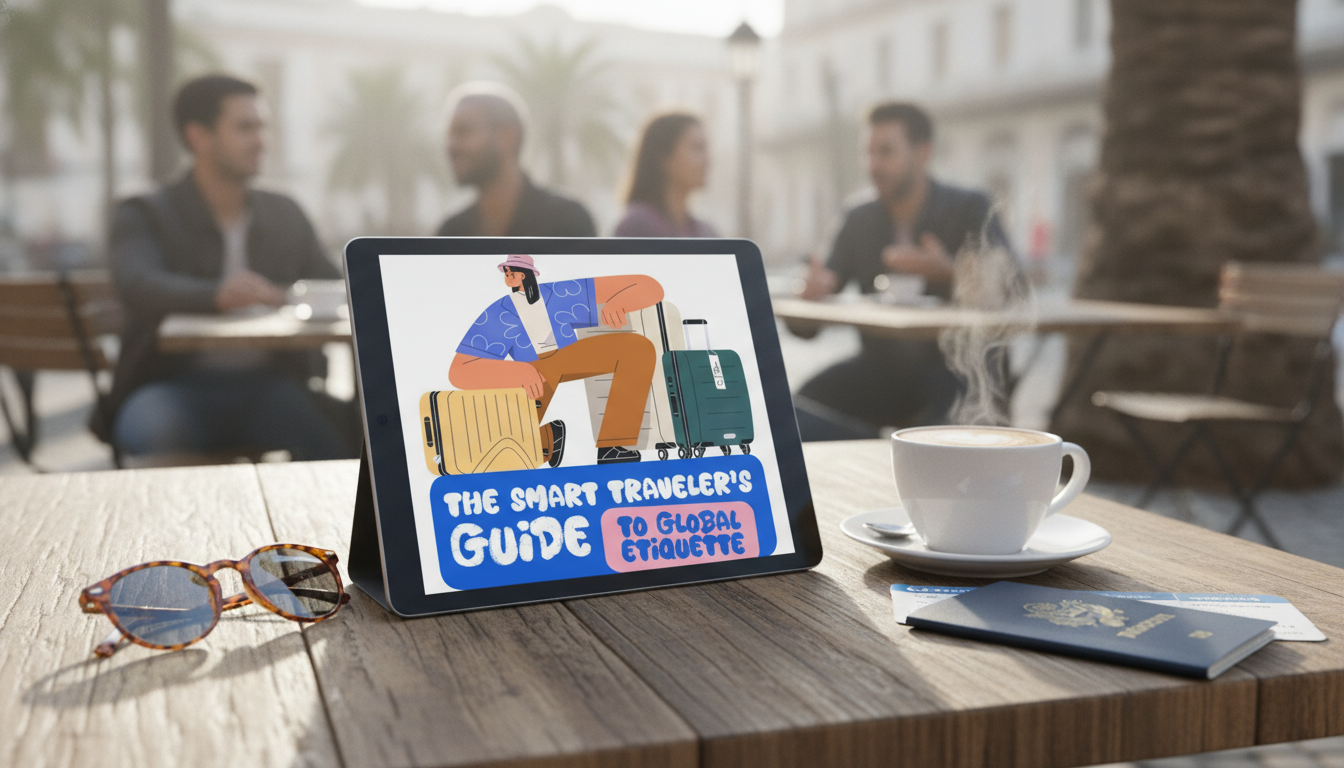
The Smart Traveler’s Guide to Global Etiquette: Cultural Tips, Travel Etiquette, and International Manners (Digital Download)
Smooth travel often comes down to small social details: how to greet someone, what to do at the table, when to tip, and how to show respect in public spaces. Global etiquette can feel complicated until you break it into practical, repeatable habits—then it becomes a travel skill you can carry anywhere. Below are easy-to-remember cultural tips that help prevent awkward moments, build goodwill, and make everyday interactions (hotels, markets, tours, transit, and meals) feel more natural.
Why etiquette changes everything when traveling
- Respect reads as safety and trust: polite behavior can de-escalate misunderstandings with hosts, staff, and fellow travelers.
- Manners affect access: seating, service, invitations, and help from locals often improve when cultural norms are followed.
- What feels “normal” can be rude elsewhere: volume, directness, gestures, punctuality, and personal space vary widely.
- Good etiquette supports responsible tourism: it reduces cultural friction and helps protect local customs and sacred spaces.
For broader trip readiness beyond manners—like entry requirements and safety updates—check official travel guidance such as the U.S. Department of State’s international travel resources and the UK Foreign travel advice.
The 7 etiquette pillars that travel well anywhere
1) Greetings
Match the formality level you see. Some places favor handshakes, others prefer bows, cheek kisses, or a verbal greeting with distance. When uncertain, let the other person initiate contact and follow their lead.
2) Personal space and touch
In some cultures, standing close is friendly; in others it’s intrusive. Casual touching (especially the head or shoulders) can be inappropriate in many destinations, so keep interactions neutral until you know what’s normal.
3) Time and punctuality
“On time” can mean exact, flexible, or relationship-based. Confirm expectations for tours, dinners, and meetings—especially when someone is hosting you.
4) Dress and modesty
Pack at least one modest outfit option for religious sites and conservative neighborhoods. Covering shoulders and knees (and carrying a light scarf) solves many “can I enter?” moments.
5) Dining behavior
Learn a few basics: utensil style, shared plates, seating order, and whether finishing your food is expected. Table gestures can carry strong meanings, so keep motions calm and avoid improvising with local tools (like chopsticks) until you know the norms.
6) Money manners
Tipping, bargaining, and paying the bill differ widely. In some markets bargaining is expected; in other settings it’s uncomfortable or insulting. A quick check before you arrive can prevent awkwardness at checkout.
7) Communication style
Direct vs. indirect speech, eye contact norms, and how “no” is expressed can vary. If you sense hesitation, re-ask gently, offer options, and watch for nonverbal cues that signal discomfort.
Quick reference: greetings, dining, and tipping across popular regions
Global etiquette snapshots (general patterns, not substitutes for local guidance)
| Region (examples) | Greeting basics | Dining basics | Tipping basics |
|---|---|---|---|
| Japan (Tokyo, Kyoto) | Slight bow; avoid overly firm physical contact | Don’t stick chopsticks upright in rice; slurping noodles can be acceptable | Not customary in many contexts; service often included |
| France (Paris, Lyon) | Polite verbal greeting; cheek kisses may be common among acquaintances | Hands visible on table; bread often on table, not plate | Common in cafés/restaurants if not included; rounding up is typical |
| UAE (Dubai, Abu Dhabi) | Respectful verbal greeting; be mindful of gender norms for handshakes | Accept hospitality; avoid public intoxication; use right hand for eating when applicable | Varies; service charge may apply; small additional tip often appreciated |
| Mexico (CDMX, Guadalajara) | Warm greeting; friendly tone; personal space can be closer | Wait for host cues; be polite about spice/food preferences | Common; restaurants and guides often tipped |
| Thailand (Bangkok, Chiang Mai) | “Wai” gesture is common; avoid touching heads | Use spoon/fork; avoid pointing feet; modest behavior in temples | Common in tourist areas; small tips appreciated |
Common etiquette mistakes that create friction (and easy fixes)
These habits also align with responsible tourism norms that prioritize cultural respect and community well-being, a theme echoed in global guidance like the UNWTO’s work on ethics, culture, and social responsibility.
How a digital etiquette guide helps before, during, and after the trip
Featured digital download: The Smart Traveler’s Guide to Global Etiquette
If you want a practical “check-before-you-go” toolkit, The Smart Traveler’s Guide to Global Etiquette (digital download eBook) is designed to be skimmed quickly when plans change or you’re visiting multiple destinations. Use it like a daily briefing: review your destination notes before arrival, then revisit greetings, dining, and public behavior reminders as needed.
Travel-ready extras that support good first impressions
- Simple, packable clothing: breathable staples make it easier to dress appropriately in changing weather and settings. Consider Adidas Men’s Blue Printed Shorts for casual days when local norms allow shorts.
- Polished, low-effort vacation prep: if you like to feel put-together for photos and dinners, Bronze Basics: Self-Tanning for Beginners can help you get an even, natural-looking glow at home before departure.
A simple pre-departure etiquette checklist
FAQ
Does etiquette differ within the same country?
Yes—customs can change by region, city vs. rural areas, and the formality of the setting (for example, a business meeting vs. a beach town). When unsure, observe locals, keep your approach more formal, and ask politely for guidance.
What’s the safest default behavior when unsure about local manners?
Choose a respectful baseline: modest dress when appropriate, a softer voice, minimal gestures, and permission-based behavior (especially for photos). Follow the host’s lead for greetings, seating, and pacing.
Is tipping considered rude in some places?
In some destinations tipping isn’t customary, and in others it may be included in a service charge. Check receipts and local norms, and when tips are appreciated, offer small amounts discreetly.









Leave a comment